

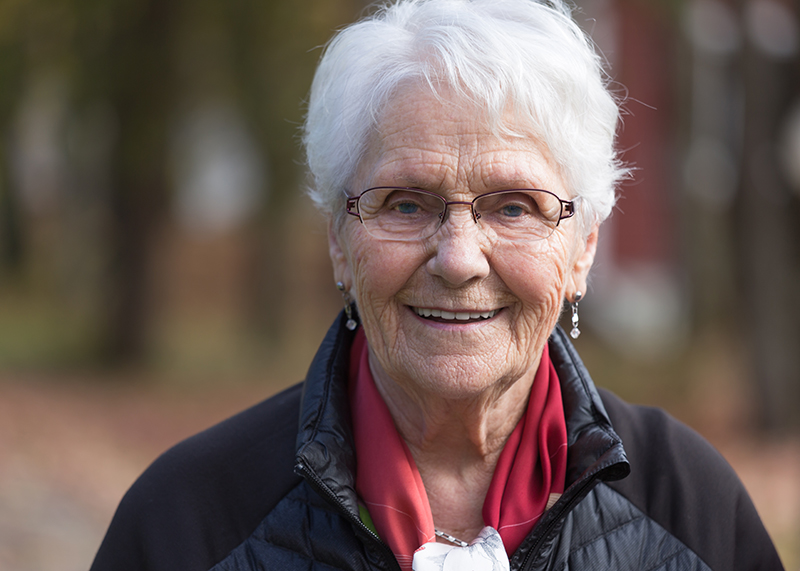
When promoting support for individuals to achieve positive outcomes, you must understand:
Wrth hyrwyddo cymorth i unigolion gyflawni canlyniadau cadarnhaol, mae'n rhaid i chi ddeall:

Planning how to support an individual is an important part of ensuring individual needs are met. If appropriate, individuals and their families and advocates should always contribute to planning their care and support as an equal. This will include discussions about their needs and wishes, how any health conditions affect them, what they can and can’t do for themselves and what support they need to live as independently as possible.
When somebody moves into a care home, a care and support plan will be agreed between the individual, those important to them and other professionals, such as a social worker.
Care and support plans will provide:
Care professionals would be responsible for implementing the plan and ensuring that it meets the individual’s needs. Long term goals are usually identified within the care and support plan, such as where the person wants to live and how they are going to be supported with their health needs.
In a care home setting short term goals are identified with the person based on the long term goals agreed in their care and support plan. A choice of approaches can then be discussed and agreed with the individual to address their wishes, e.g. when moving into the care home the individual may say they wish to remain part of the community in the village they live. That would be a long term goal in their care and support plan. Workers in the home can then discuss with the individual how they would like that to happen, e.g. attending particular activities and groups in their village.
Care homes will have person centred plans which are based on the care and support plan. These are usually written down and must be in a format the individual can understand.
The care and support plan is reviewed formally with the team who are contributing to the delivery of health and social care. This could include physiotherapists, doctors, workers from the care home and of course the individual and their family and advocate if appropriate.
The individuals’ needs must be re-assessed to see if the support being provided still meets their needs or whether changes need to be made, and to identify any new needs the person may have and how these are going to be met.
Mae cynllunio sut i gefnogi unigolyn yn rhan bwysig o sicrhau bod anghenion unigol yn cael eu diwallu. Os yw'n briodol, dylai unigolion a'u teuluoedd a'u heiriolwyr bob amser gyfrannu at gynllunio eu gofal a'u cymorth fel cyfranogwr cyfartal. Bydd hyn yn cynnwys trafodaethau am eu hanghenion a'u dymuniadau, sut mae unrhyw gyflyrau iechyd yn effeithio arnynt, beth y gallant ac na allant ei wneud drostynt eu hunain a pha gymorth sydd ei angen arnynt i fyw mewn ffordd mor annibynnol â phosibl.
Pan fydd rhywun yn symud i gartref gofal, cytunir ar gynllun gofal a chymorth rhwng yr unigolyn, y rhai sy'n bwysig iddo a gweithwyr proffesiynol eraill, megis gweithiwr cymdeithasol.
Bydd cynlluniau gofal a chymorth yn darparu'r canlynol:
Byddai gweithwyr gofal proffesiynol yn gyfrifol am roi'r cynllun ar waith a sicrhau ei fod yn diwallu anghenion yr unigolyn. Fel arfer, caiff nodau hirdymor eu cynnwys yn y cynllun gofal a chymorth, megis ble hoffai'r unigolyn fyw a sut y bydd yn cael ei gefnogi gyda'i anghenion iechyd.
Mewn cartref gofal caiff nodau byrdymor eu nodi gyda'r unigolyn ar sail y nodau hirdymor y cytunwyd arnynt yn ei gynllun gofal a chymorth. Yna gellir trafod dewis o ddulliau a chytuno arnynt gyda'r unigolyn er mwyn mynd i'r afael â'i ddymuniadau, e.e. wrth symud i mewn i'r cartref gofal, efallai y bydd yr unigolyn yn dweud ei fod am barhau i fod yn rhan o'r gymuned yn y pentref lle mae'n byw. Byddai hynny yn nod hirdymor yn ei gynllun gofal a chymorth. Yna gall gweithwyr yn y cartref drafod â'r unigolyn sut y byddai'n hoffi i hynny ddigwydd, e.e. drwy fynychu gweithgareddau a grwpiau penodol yn y pentref.
Bydd gan gartrefi gofal gynlluniau sy'n canolbwyntio ar yr unigolyn sy'n seiliedig ar y cynllun gofal a chymorth. Mae'r rhain fel arfer yn ysgrifenedig ac mae'n rhaid iddynt fod mewn fformat y gall yr unigolyn ei ddeall.
Caiff y cynllun gofal a chymorth ei adolygu'n ffurfiol gan y tîm sy'n helpu i ddarparu gwasanaethau iechyd a gofal cymdeithasol. Gallai hyn gynnwys ffisiotherapyddion, meddygon, gweithwyr o'r cartref gofal ac wrth gwrs yr unigolyn a'i deulu a'i eiriolwr os yw'n briodol.
Mae'n rhaid ailasesu anghenion yr unigolion i weld a yw'r cymorth a ddarperir yn diwallu eu hanghenion o hyd neu a oes angen gwneud newidiadau, a hefyd i nodi unrhyw anghenion newydd sydd gan yr unigolyn a sut y caiff y rhain eu diwallu.
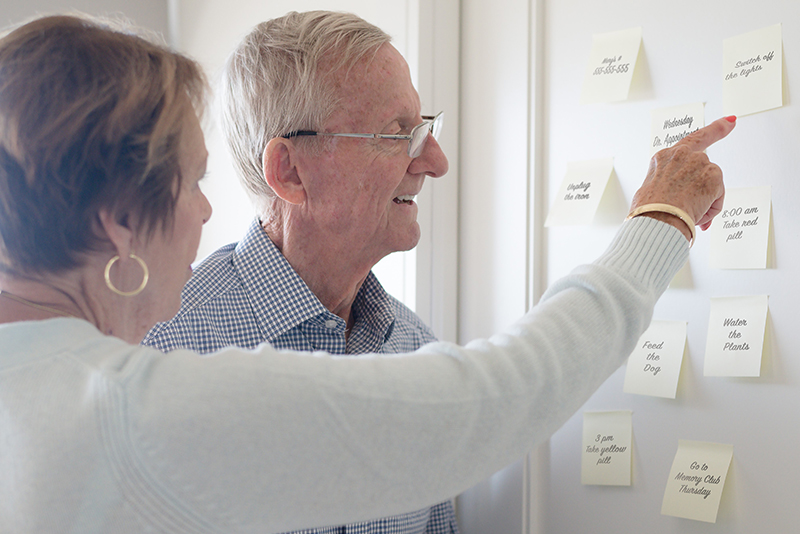
Feedback from individuals is required on a regular basis as individuals’ care and support needs can change quickly.
For example, an individual with dementia may decline in terms of their cognitive and physical abilities in a short period of time, and therefore may even need to move from the care setting that they are in to a more suitable setting. If this is not done, then they may actually be at risk of injury or further decline.
It is also important that individuals are happy with the care and support they are receiving. This will ensure it is person-centred and meets their needs. Feedback should be sought to ascertain whether the support being offered is still in line with their personal wishes, aspirations and needs.
Feedback from family is important as it can help to identify ways in which the family can support the individual and also ascertain whether the individual’s family are happy with the support being provided.
Mae angen cael adborth rheolaidd gan unigolion am fod eu hanghenion gofal a chymorth yn gallu newid yn gyflym.
Er enghraifft, gall galluoedd gwybyddol a chorfforol unigolyn â dementia waethygu mewn byr amser, ac felly efallai y bydd angen iddo symud o'r lleoliad gofal i leoliad mwy addas. Os na fydd hyn yn digwydd, gall wynebu risg o anaf neu ddirywiad pellach.
Mae hefyd yn bwysig bod pobl yn hapus â'r gofal a'r cymorth y maent yn eu derbyn. Bydd hyn yn sicrhau eu bod yn canolbwyntio ar yr unigolyn ac yn diwallu eu hanghenion. Dylid ceisio adborth er mwyn penderfynu a yw'r cymorth sy'n cael ei gynnig yn dal i gyd-fynd â dymuniadau, dyheadau ac anghenion personol yr unigolyn.
Mae adborth gan y teulu'n bwysig am y gall helpu i nodi ffyrdd y gall y teulu helpu'r unigolyn a chadarnhau p'un a yw teulu'r unigolyn yn hapus â'r cymorth sy'n cael ei ddarparu.
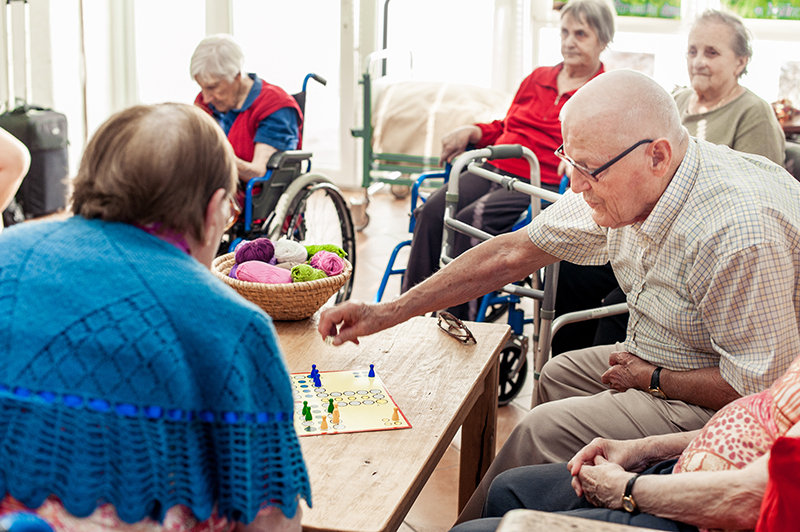
The Senses Framework is a person-centred approach that aims to create the best care and support for individuals. It was developed for care homes as a set of goals that workers should aim for as follows:
A sense of security is about feeling safe and enjoying life within a safe but enabling environment. When in a safe environment, such as a care home setting, individuals are less likely to worry. Feeling safe can also help improve relationships with others and increase social interactions.
A sense of continuity is about linking the past, present and future. This can contribute to an individuals’ self-identity. A strong self-identity can improve self-esteem and confidence.
A sense of belonging is about feeling part of a valued group and being able to form and maintain relationships. This is important for well-being as being part of a group and interactions with others can decrease the likelihood of loneliness, boredom and isolation.
A sense of purpose is about participating in meaningful activities and having valued goals. A sense of purpose can increase the likelihood of maintaining independence for longer and it can also help to maintain an individual’s confidence.
A sense of achievement is about reaching valued goals to the satisfaction of one's self and/or others. Reaching goals can boost self-esteem. A positive self-esteem can increase happiness.
A sense of significance is about feeling that you matter as a person and are valued. When an individual doesn’t feel significant, it may lead to destructive ways. Feeling significant gives individuals a sense of self worth and for older individuals it may spur them on to not give up.
Workers can use this framework to monitor how well they are meeting individuals’ needs.
For more information, visit the Social Care Wales website:
Dull gweithredu sy'n canolbwyntio ar unigolion yw'r Fframwaith Synhwyrau a'i nod yw creu'r gofal a'r cymorth gorau i unigolion. Cafodd ei ddatblygu ar gyfer cartrefi gofal fel cyfres o nodau y dylai gweithwyr anelu atynt fel a ganlyn:
Mae synnwyr diogelwch yn golygu teimlo'n ddiogel a mwynhau bywyd mewn amgylchedd diogel ond galluogol. Mae unigolion yn llai tebygol o ofidio mewn amgylchedd diogel, fel cartref gofal. Gall teimlo'n ddiogel hefyd helpu i wella perthnasoedd ag eraill ac arwain at fwy o ryngweithio cymdeithasol.
Mae synnwyr parhad yn golygu cysylltu'r gorffennol, y presennol a'r dyfodol. Gall hyn gyfrannu at hunaniaeth unigolyn. Gall hunaniaeth gref wella hunan-barch a hyder.
Mae synnwyr o ymberthyn yn golygu teimlo'n rhan o grŵp sy'n cael ei werthfawrogi a gallu ffurfio a chynnal perthnasoedd. Mae hyn yn bwysig o ran llesiant oherwydd gall bod yn rhan o grŵp a rhyngweithio ag eraill leihau'r tebygolrwydd o unigrwydd, diflastod ac ynysu.
Mae synnwyr o bwrpas yn golygu cymryd rhan mewn gweithgareddau ystyrlon a chael nodau ystyrlon. Gall synnwyr o bwrpas gynyddu'r tebygolrwydd y bydd unigolyn yn cadw ei annibyniaeth am gyfnod hwy a gall hefyd helpu i gynnal hyder unigolyn.
Mae synnwyr cyflawniad yn golygu cyflawni nodau er boddhad i chi a/neu eraill. Gall cyflawni nodau roi hwb i hunan-barch. Gall hunan-barch cadarnhaol arwain at fwy o hapusrwydd.
Mae synnwyr arwyddocâd yn golygu teimlo eich bod yn bwysig fel person a'ch bod yn cael eich gwerthfawrogi. Pan na fydd unigolyn yn teimlo ei fod yn bwysig, gall arwain at ymddygiad dinistriol. Mae teimlo'n bwysig yn rhoi synnwyr o hunan-werth i unigolion a gall ysgogi pobl hŷn i beidio â rhoi'r ffidl yn y to.
Gall gweithwyr ddefnyddio'r fframwaith hwn i fonitro pa mor dda y maent yn diwallu anghenion unigolion.
Am fwy o wybodaeth, ewch i wefan Gofal Cymdeithasol Cymru:
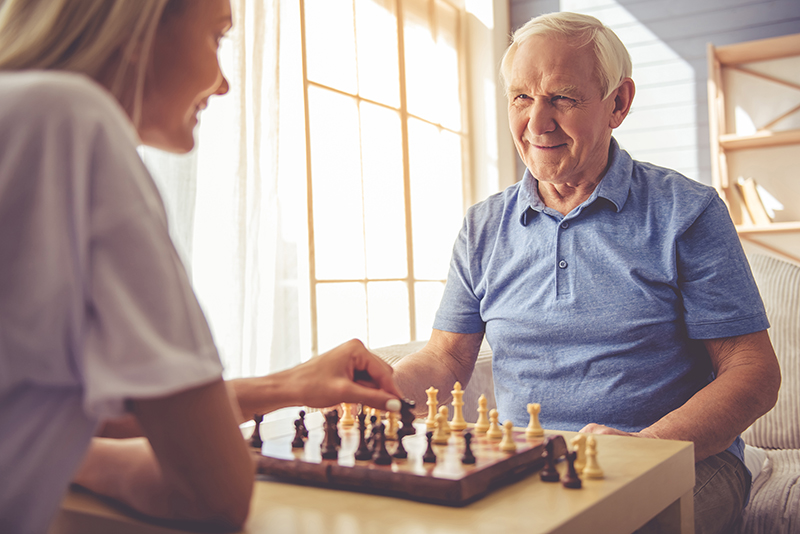
The aim of care homes should be to support people’s right to live a full and valued life which includes:
Dylai cartrefi gofal fod â'r nod o gefnogi hawliau pobl i fyw bywyd llawn a gwerthfawr sy'n cynnwys:

Seligman (1975) produced a theory of learned helplessness. It explains how a loss of control over an individual’s life circumstances can result in a process of learning to become withdrawn, depressed and helpless.
Helplessness he believed, proceeded in different stages.
This is where the individual feels frustrated or angry. If this doesn’t work they progress to the next stage.
This is where individuals stop trying to control their own life. They may not be able to predict what will happen so give up.
The stress caused by feeling anxious and helpless leads to the final stage.
This is the final stage. In extreme cases, ‘helpless withdrawal’ may result in death.
Silent Harms - This term has been used to describe a situation whereby workers think they are helping an individual but in fact are causing more harm than good. Individuals might not be supported to carry out activities because of the risks associated with an activity. This could mean a loss of identity. An individual’s choices are part of their identity. Individuals should be supported to carry out activities they choose. Whilst recognising workers’ duty of care to safeguard through a process of risk assessment.
Lluniodd Seligman (1975) ddamcaniaeth ar ddiymadferthedd wedi'i ddysgu. Mae'n egluro sut y gall colli rheolaeth dros fywyd arwain at broses o ddysgu encilio, bod yn isel eich ysbryd ac yn ddiymadferth.
Yn ei farn ef, roedd diymadferthedd yn datblygu ar ffurf camau gwahanol.
Dyma pan fo'r unigolyn yn teimlo'n rhwystredig neu'n ddig. Os na fydd hyn yn gweithio, bydd yn symud ymlaen i'r cam nesaf.
Dyma pan fo unigolion yn rhoi'r gorau i geisio rheoli eu bywydau eu hunain. Efallai na fyddant yn gallu rhagweld beth fydd yn digwydd, felly maent yn rhoi'r ffidil yn y to.
Mae'r straen sy'n cael ei achosi gan deimlo'n bryderus ac yn ddiymadferth yn arwain at y cam olaf.
Dyma’r cam olaf. Mewn achosion eithafol, gall 'encilio diymadferth' arwain at farwolaeth.
Niwed Tawel - Mae'r term hwn wedi cael ei ddefnyddio i ddisgrifio sefyllfa lle mae gweithwyr o'r farn eu bod yn helpu unigolyn ond mewn gwirionedd maent yn achosi mwy o niwed na daioni. Efallai na chaiff unigolion eu cefnogi i gyflawni gweithgareddau oherwydd y risgiau sy'n gysylltiedig â gweithgaredd. Gallai hyn olygu colli hunaniaeth. Mae dewisiadau unigolyn yn rhan o'i hunaniaeth. Dylai unigolion gael eu cefnogi i gyflawni gweithgareddau y maent yn eu dewis, gan gydnabod dyletswydd gofal gweithwyr i ddiogelu drwy broses o asesu risg.

There are many possible negative effects of isolation and loneliness on individuals. Individuals who feel lonely and isolated are more likely to also report having poor physical and/or mental health.
Illnesses and conditions such as chronic lung disease, arthritis, impaired mobility, high blood pressure and depression are associated with social isolation.
In terms of mental health, individuals who are lonely are more likely to suffer from depression and other mental health issues. Feelings of loneliness are linked to poor cognitive performance, quicker cognitive decline and the increased risk of dementia.
Older individuals who are lonely and isolated are more likely to be open to abuse. When they have suffered abuse, it is more likely to go unnoticed as they are less likely to have anyone to tell about the abuse.
In the care home setting, developing positive relationships with individuals will help overcome the feelings of isolation and loneliness.
Gall ynysu ac unigrwydd gael llawer o effeithiau negyddol ar bobl. Mae unigolion sy'n teimlo'n ynysig ac yn unig yn fwy tebygol o ddweud bod ganddynt iechyd corfforol a/neu feddyliol gwael hefyd.
Mae salwch a chyflyrau fel clefyd cronig yr ysgyfaint, arthritis, namau symudedd, pwysedd gwaed uchel ac iselder yn gysylltiedig ag ynysu cymdeithasol.
O ran iechyd meddwl, mae unigolion sy'n unig yn fwy tebygol o ddioddef o iselder a phroblemau iechyd meddwl eraill. Mae teimladau o unigrwydd yn gysylltiedig â pherfformiad gwybyddol gwael, dirywiad gwybyddol cyflymach a risg uwch o ddementia.
Mae unigolion hŷn sy'n unig ac yn ynysig yn fwy tebygol o fod yn agored i gamdriniaeth. Pan fyddant wedi dioddef camdriniaeth, mae'n fwy tebygol o osgoi sylw gan ei fod yn llai tebygol bod ganddynt rywun i ddweud wrtho am y gamdriniaeth.
Yn y cartref gofal, bydd datblygu perthnasoedd cadarnhaol ag unigolion yn helpu i oresgyn teimladau o fod yn ynysig ac yn unig.
The consequences of lack of movement or stimulation can be great for older individuals. Consequences for individuals if they are left for long periods without stimulation could cause the following physical issues:
When individuals are not mentally stimulated, their mental capacity and intellectual abilities start to slow down. This damage can sometimes be irreversible.
These are the range of psychological issues that individuals who lack stimulation may experience:
Gall canlyniadau diffyg symud neu ysgogiad fod yn ddifrifol iawn i bobl hŷn. Os caiff unigolion eu gadael am gyfnodau hir heb unrhyw ysgogiad, gallai hyn achosi'r problemau corfforol canlynol:
Os na chaiff unigolion eu hysgogi'n feddyliol, mae eu galluedd meddyliol a'u galluoedd deallusol yn dechrau arafu. Weithiau, ni ellir gwneud dim i drin y niwed hwn.
Dyma'r amrywiaeth o broblemau seicolegol y gall pobl eu hwynebu os nad ydynt yn cael digon o ysgogiad:
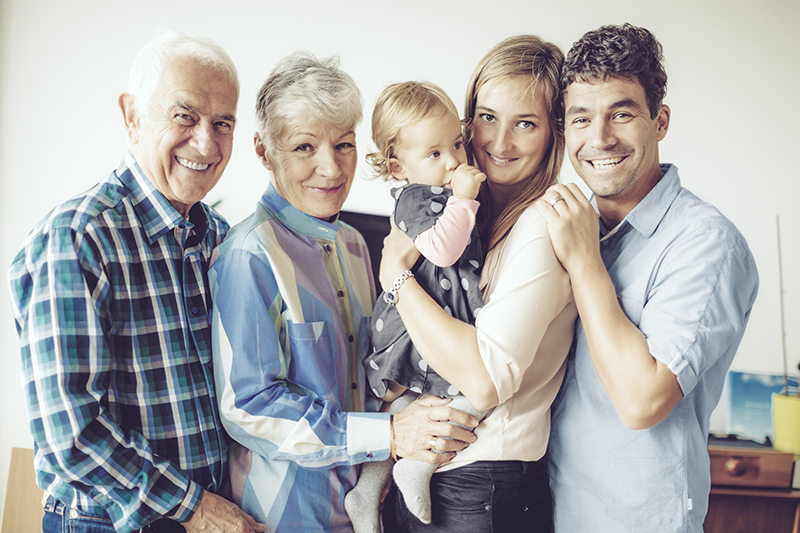
A strengths based approach supports individuals to be independent, resilient and make their own choices.
Supporting individuals to access the wider community and their own support networks gives them a greater opportunity to reach their potential and achieve their desired outcomes.
Strengths based approaches looks at the individuals’ strengths and what they are able to do, both independently and with appropriate support.
Using these approaches sees the individual as the expert and in control of their own lives.
Areas that could be discussed are:
Using strengths based approaches can aid recovery of an illness and build upon the health, well-being and empowerment of the individual. It can increase an individual’s confidence in their ability as well as families confidence in the care setting.
Mae dulliau sy’n seiliedig ar gryfderau yn cefnogi unigolion i fod yn annibynnol, gwydn, ac i wneud penderfyniadau eu hun.
Mae cefnogi unigolion i ddefnyddio'r gymuned ehangach a'u rhwydweithiau cymorth eu hunain yn rhoi mwy o gyfle iddynt gyrraedd eu potensial a chyflawni eu canlyniadau a ddymunir.
Mae dulliau sy'n seiliedig ar gryfderau yn edrych ar gryfderau'r unigolion a'r hyn y gallant ei wneud yn annibynnol a gyda chymorth priodol.
Drwy ddefnyddio'r dulliau hyn, yr unigolyn yw'r arbenigwr ac mae'n rheoli ei fywyd ei hun.
Mae’r meysydd i’w hystyried yn cynnwys:
Gall defnyddio dulliau sy'n seiliedig ar gryfderau helpu unigolyn i wella ar ôl salwch, ei rymuso ac adeiladu ar ei iechyd a'i lesiant. Gall gynyddu hyder unigolyn yn ei allu yn ogystal â hyder y teulu yn y lleoliad gofal.

Taking risks is a part of life for most people. Some people may have taken greater risks than others throughout their lives. Risks can take individuals out of their comfort zones and can be quite rewarding experiences, if the risk pays off. Taking risks can open us up to new experiences and opportunities and can give a great sense of achievement.
Even if an older person is in a care home setting, they should still be given the option to live their life in a way that they choose, and this should include taking risks.
Through risk assessment risks would have to be balanced against the potential outcomes; for example, if the individual was likely to be placing themselves in danger or someone else in danger, then consideration would need to be given to safer alternatives.
People may need to be supported with taking risks due to the individuals’ mental capacity. If the individual isn’t deemed to have the mental capacity to make informed decisions for themselves then a decision would be made on their behalf about what is in their best interests.
Being able to choose whether you take a risk or not can be empowering and can help to give older individuals a say over what happens in their lives. To restrict an older person’s ability to take risks has the potential to disempower them and reduce their ability to have control over their own lives. This may lead to feelings of low self-esteem and a poor sense of self-worth.
Mae cymryd risgiau yn rhan o fywyd y rhan fwyaf o bobl. Efallai bod rhai pobl wedi cymryd mwy o risgiau nag eraill yn ystod eu bywydau. Gall risgiau wneud i bobl adael yr hyn sy’n gyfforddus iddynt a gall fod yn brofiad gwerthfawr, os bydd y risg yn talu ar ei chanfed. Gall cymryd risgiau roi profiadau a chyfleoedd newydd i ni a rhoi ymdeimlad gwych o gyflawniad.
Hyd yn oed os bydd person hŷn mewn cartref gofal, dylai gael byw ei fywyd fel y mynno o hyd, gan gynnwys cymryd risgiau.
Byddai'n rhaid cydbwyso risgiau mewn asesiadau risg yn erbyn y canlyniadau posibl; er enghraifft, petai'r unigolyn yn debygol o roi ei hun mewn perygl, neu roi rhywun arall mewn perygl, yna byddai angen ystyried dewisiadau amgen mwy diogel.
Efallai y bydd angen cefnogi pobl wrth gymryd risgiau o ganlyniad i alluedd meddyliol unigolion. Os na chredir bod gan unigolyn y galluedd meddyliol i wneud penderfyniadau gwybodus drosto ei hun, yna caiff penderfyniad ei wneud ar ei ran ynglŷn â'i fudd pennaf.
Gall dewis p'un a ddylid cymryd risg ai peidio fod yn brofiad grymusol a gall helpu i roi llais i bobl hŷn dros yr hyn sy'n digwydd iddynt. Os cyfyngir ar allu person hŷn i gymryd risgiau, gallai hyn ei ddadrymuso a lleihau ei allu i reoli ei fywyd ei hun. Gall hyn arwain at ddiffyg hunan-barch a hunan-werth.
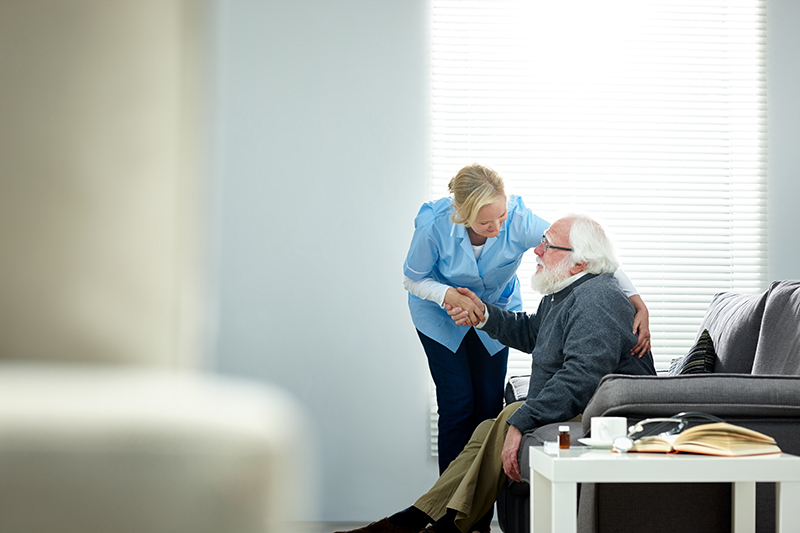
Individuals might be discouraged and prevented from taking risks due to care providers not having a full understanding of the individual’s needs. They may believe the individual can’t do something and compare them with another individual. It’s important to recognise that each individual is unique and each situation should be treated differently.
It might be on one day the staffing resources wouldn’t suit the individuals requirements but the risk can be followed another day. There could be mental capacity issues that require resolving. There could be a change in policy that requires further planning/risk assessment to be completed prior to enabling the individual to take the risk. The equipment that the individual wants to use may be different to what they would have used in their own home, and training or supervision is therefore required.
Gall pobl gael eu hannog i beidio â chymryd risgiau neu'u hatal rhag cymryd risgiau os nad yw darparwyr gofal yn deall eu hanghenion yn llawn. Efallai eu bod yn credu na all yr unigolyn wneud rhywbeth ac yn ei gymharu â rhywun arall. Mae'n bwysig cydnabod bod pawb yn unigryw a dylid trin pob sefyllfa'n wahanol.
Un diwrnod, efallai na fyddai'r adnoddau staffio yn bodloni gofynion yr unigolyn, ond gallai'r risg gael ei chymryd ar ddiwrnod arall. Gallai fod problemau galluedd meddyliol i'w datrys. Gallai fod newid polisi sy'n golygu bod yn rhaid gwneud mwy o waith cynllunio/asesu risg cyn y gellir galluogi'r unigolyn i gymryd y risg. Efallai bod y cyfarpar y mae'r unigolyn am ei ddefnyddio yn wahanol i'r cyfarpar y byddai wedi ei ddefnyddio yn ei gartref ei hun, felly mae angen ei hyfforddi neu'i oruchwylio.
Risks need to be managed for each individual and situation. Individuals need to feel empowered to make their own decisions. However, being made aware of the risks/consequences gives the individual control over whether or not to take the risk.
Making sure that the individual understands the risk is important in empowering them with the right information and feeling in control of making a decision. Risk management maximises the individual’s choice and control over their lives.
By managing all of the above it can lead to a gain in confidence and achievement for the individual, the development of new skills and knowledge, setting new goals for them to develop and feel part of society still, by being able to take part in certain activities in the community or in the care setting
Mae angen rheoli risgiau ar gyfer pob unigolyn a sefyllfa. Mae angen grymuso pobl i wneud eu penderfyniadau eu hunain, fodd bynnag, drwy roi gwybod iddo am y risgiau/canlyniadau, yr unigolyn sy'n rheoli p'un a fydd yn cymryd y risg ai peidio.
Mae sicrhau bod yr unigolyn yn deall y risg yn bwysig o safbwynt rhoi'r wybodaeth gywir iddo a gwneud iddo deimlo mai ef/hi sy'n gyfrifol am wneud penderfyniad. Mae rheoli risg yn rhoi mwy o ddewis a rheolaeth i'r unigolyn dros ei fywyd.
Gall rheoli popeth uchod helpu i wella hyder a chyflawniad yr unigolyn, ei helpu i ddatblygu sgiliau a gwybodaeth newydd, pennu nodau newydd er mwyn gwneud iddo ddatblygu a theimlo ei fod yn dal i fod yn rhan o gymdeithas, drwy allu cymryd rhan mewn gweithgareddau penodol yn y gymuned neu yn y lleoliad gofal.
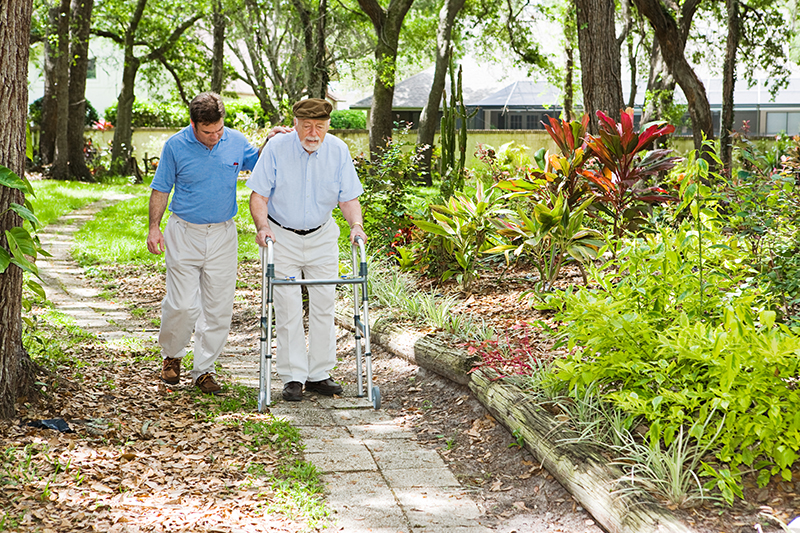
Reminiscence work can be used to help people recall and talk about happy times from their past. The positive feelings gained from sharing pleasant memories can decrease stress, boost mood and reduce agitation as well as make people feel valued and contented. As so many of our conversations rely on short term memory, reminiscence work can give older people a sense of competence as some older people, particularly people with dementia find it easier to recall things from their past.
Having a positive relationship with people you support can play a huge role in supporting their mental well-being as people are naturally sociable creatures. When we have positive relationships with others, everything we do will be more enjoyable.
Setting aside time every day to talk to individuals and taking the time to talk to people about their likes and dislikes etc. can help to get to know people and this, in turn, can help to create trust. Trust is central to building a positive relationship with someone as people are more likely to share information with people they trust.
Valuing difference, celebrating diversity and showing respect is key to forming relationships. If you show respect towards someone, they are more likely to show respect back.
Gellir defnyddio gwaith dwyn i gof er mwyn helpu pobl i adalw a siarad am gyfnodau hapus o'u gorffennol. Gall y teimladau cadarnhaol a geir wrth rannu atgofion pleserus leihau straen, hybu hwyliau a lleihau cynnwrf yn ogystal â gwneud i bobl deimlo eu bod yn cael eu gwerthfawrogi a'u bodloni. Gan fod cymaint o'n sgyrsiau yn dibynnu ar gof byrdymor, gall gwaith dwyn i gof roi ymdeimlad o gymhwysedd i bobl hŷn wrth i rai pobl hŷn, yn enwedig pobl â dementia, ei chael hi'n haws adalw pethau o'u gorffennol.
Gall cael perthynas gadarnhaol â'r bobl rydych yn eu cefnogi gael effaith enfawr ar gefnogi eu llesiant meddwl gan fod pobl yn greaduriaid cymdeithasol yn ôl eu greddf. Pan fydd gennym berthnasoedd cadarnhaol ag eraill, bydd popeth arall a wneir yn fwy pleserus.
Drwy glustnodi amser bob dydd i siarad â phobl a chymryd amser i sgwrsio am y pethau y maent yn eu hoffi a'r pethau nad ydynt yn eu hoffi, gellir dod i adnabod pobl a gall hyn, yn ei dro, helpu i feithrin ymddiriedaeth. Mae ymddiriedaeth yn hanfodol er mwyn meithrin perthynas gadarnhaol â rhywun am fod pobl yn fwy tebygol o rannu gwybodaeth â phobl maent yn ymddiried ynddynt.
Mae gwerthfawrogi gwahaniaeth, dathlu amrywiaeth a dangos parch yn allweddol er mwyn ffurfio perthnasoedd. Os byddwch yn dangos parch at rywun, bydd yn fwy tebygol o ddangos parch atoch chi.
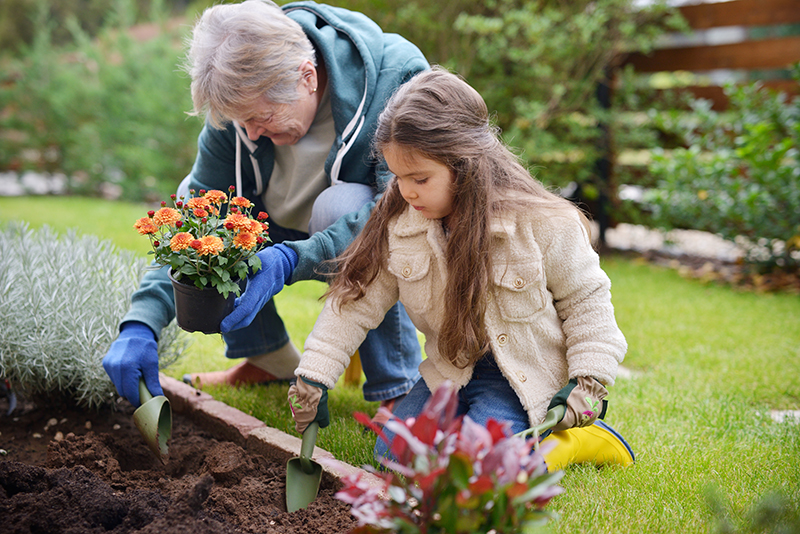
As individuals age, their opportunity to meet new people decreases so it is important that existing relationships are maintained.
Supporting older individuals to maintain positive relationships with other residents, family and friends, communities and workers is important for good health.
Social relationships as a whole are important for successful ageing, the more varied a person’s social network of positive relationships are, the happier they are likely to be.
Family and friends can help to decrease stress and help individuals to feel like they have a place in the world. Family and friends can also provide a platform of support for an older individual and create social interactions. This can help to alleviate boredom and isolation.
Maintaining links within the community can help many older individuals to continue with activities that they once did such as going to church or attending some form of club, such as a book club. This can help to create a sense of purpose and freedom.
For some individuals, who may not have family or friends, developing relationships with workers and other residents may be central to not feeling isolated.
Providing activities within the setting can help to encourage social interaction and support relationship between residents.
Wrth i bobl heneiddio, mae'r cyfle i gyfarfod â phobl newydd yn lleihau, felly mae'n bwysig eu bod yn cadw'r perthnasoedd sydd ganddynt yn barod.
Mae helpu pobl hŷn i gadw perthnasoedd cadarnhaol â phreswylwyr eraill, teulu a ffrindiau, cymunedau a gweithwyr yn bwysig i'w hiechyd.
Mae perthnasoedd cymdeithasol yn gyffredinol yn bwysig er mwyn heneiddio'n llwyddiannus. Os bydd gan berson rwydwaith cymdeithasol amrywiol o berthnasoedd cadarnhaol, mae'n debygol o deimlo'n hapusach.
Gall teulu a ffrindiau helpu i leihau straen a helpu unigolion i deimlo bod ganddynt le yn y byd. Gall teulu a ffrindiau hefyd fod yn ffynhonnell o gymorth i bobl hŷn a chreu cyfleoedd i ryngweithio'n gymdeithasol. Gall hyn helpu i leddfu diflastod ac unigrwydd.
Gall cadw cysylltiadau yn y gymuned helpu llawer o bobl hŷn i barhau â gweithgareddau yr oeddent yn arfer eu gwneud, fel mynd i'r eglwys neu fynd i ryw fath o glwb, fel clwb llyfrau. Gall hyn helpu i greu ymdeimlad o bwrpas a rhyddid.
I rai pobl sydd heb deulu na ffrindiau, gall datblygu perthnasoedd â gweithwyr a phreswylwyr eraill fod yn hollbwysig er mwyn eu hatal rhag teimlo'n ynysig.
Gall cynnig gweithgareddau yn y lleoliad helpu i annog preswylwyr i ryngweithio'n gymdeithasol a meithrin perthnasoedd.
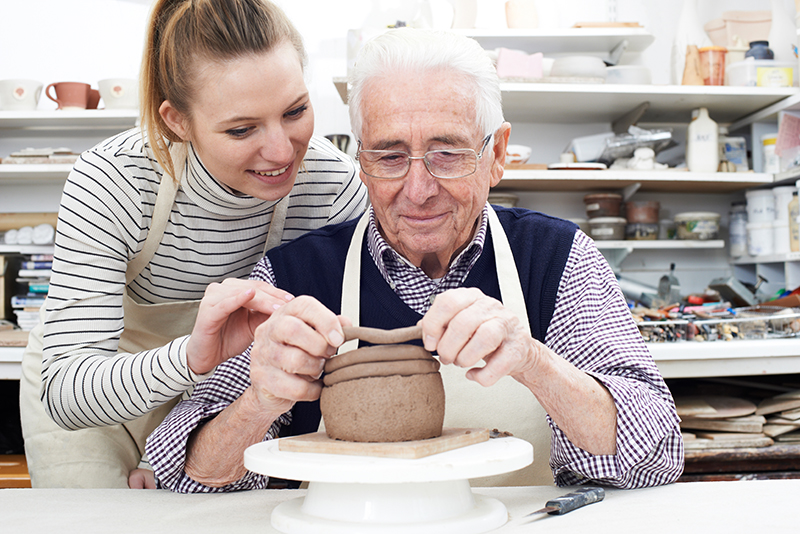
Intergenerational activities benefit all generations. Adults can learn from children and vice versa. They build upon the strengths that different generations have to offer, nurture understanding and mutual respect, and challenge ageism.
Activities that involve individuals of all ages are beneficial to those in receipt of care as they can benefit from the memories of doing that activity, revisiting stories from before, listening to stories from now and maintaining connections with society.
As we get older there is a decline in the cognitive abilities and feeling of loneliness. Having a mix of activities can increase an individual’s life span and keep them young. The opinions and attitudes of individuals can be improved as each learn respect and admiration for an older generation.
Promotion of these activities can be done by supporting individuals to tend to a communal garden, look at photos in an album, read together, go out together, taking a walk and even talk about upcoming or past events. Families, volunteers and other visitors can be involved in all of these.
There have been programmes on the television where experiments have been carried out showing young children visiting elderly people over a period of time. The effects have been positive, and the individuals have become more active and have been given a boost of self-confidence, with bringing in laughter into their lives. Links could be made with schools or youth clubs.
Mae gweithgareddau rhwng y cenedlaethau o fudd i bawb. Gall oedolion ddysgu wrth blant ac fel arall. Maent yn adeiladu ar y cryfderau y gall cenedlaethau gwahanol eu cynnig, yn meithrin dealltwriaeth a pharch i bawb, ac yn herio unrhyw achosion o wahaniaethu ar sail oedran.
Gall gweithgareddau sy'n cynnwys pobl o bob oed fod o fudd i'r rhai sy'n cael gofal am y byddant yn elwa o'r atgofion o wneud y gweithgaredd hwnnw, yn ailedrych ar straeon o'r gorffennol, yn gwrando ar straeon o'r presennol ac yn cadw cysylltiadau â chymdeithas.
Wrth i ni heneiddio, mae galluoedd gwybyddol yn dirywio a cheir ymdeimlad o unigrwydd. Gall cael cymysgedd o weithgareddau gynyddu hyd oes unigolyn a'i gadw'n ifanc. Gellir gwella barn ac agweddau pobl wrth i bawb ddysgu i barchu ac edmygu'r genhedlaeth hŷn.
Gellir hyrwyddo'r gweithgareddau hyn drwy gefnogi unigolion i ofalu am ardd gymunol, edrych ar luniau mewn albwm, darllen gyda'i gilydd, mynd allan gyda'i gilydd, mynd am dro a hyd yn oed siarad am ddigwyddiadau yn y gorffennol neu'r dyfodol. Gellir cynnwys teuluoedd, gwirfoddolwyr ac ymwelwyr eraill yn yr uchod.
Gall teuluoedd, yn ogystal â gofalwyr/gwirfoddolwyr ac ymwelwyr eraill, helpu i gynllunio'r uchod i gyd.
Mae rhaglenni wedi bod ar y teledu lle y cynhaliwyd arbrofion yn dangos plant ifanc yn ymweld â phobl oedrannus dros gyfnod o amser. Mae'r effeithiau wedi bod yn gadarnhaol. Mae'r bobl wedi dod yn fwy egnïol ac wedi cael hwb i'w hunanhyder, gan fod eu bywydau yn llawn chwerthin unwaith eto. Gellid gwneud cysylltiadau ag ysgolion neu glybiau ieuenctid.

Personal appearance is still very important and forms a critical part of self-identity for older individuals.
It is an individual’s way of showing their personality to others around them. An individual who has worn conservative clothing all their life would not feel comfortable if they were made to wear bright clothing once they were in a care home. It is vitally important that their own preferences are respected.
Having a clean and respectable appearance is key to maintaining the self-esteem of older individuals, and so supporting them in maintaining their personal hygiene should be a high priority. Their self-identity will be negatively affected if they are made to wear dirty clothes or are unable to wash for a particular length of time.
When an individual is supported in a care home it is necessary to take all of these factors into account when providing support with personal care. Above all, their choice of dress, hairstyle and bathing routines need to be respected.
I bobl hŷn, mae ymddangosiad personol yn bwysig iawn o hyd ac yn rhan o'u hunaniaeth.
Dyma ffordd yr unigolyn o ddangos eu personoliaeth i eraill. Ni fyddai unigolyn sydd wedi gwisgo dillad ceidwadol drwy gydol eu hoes yn teimlo'n gyfforddus pe baent yn gorfod gwisgo dillad llachar unwaith y byddant mewn cartref gofal. Mae'n hanfodol bwysig bod eu dewisiadau eu hunain yn cael eu parchu.
Mae ymddangos yn lân a pharchus yn allweddol i gynnal hunan-barch unigolion hŷn, ac felly dylai eu cefnogi i gynnal eu hylendid personol fod yn flaenoriaeth uchel. Mi fydd effaith negyddol ar eu hunaniaeth os byddant yn cael eu gorfodi i wisgo dillad budr neu os na allant ymolchi am gyfnod penodol.
Pan fydd unigolyn yn cael ei gefnogi mewn cartref gofal mae angen ystyried yr holl ffactorau hyn wrth ddarparu cymorth gyda gofal personol. Mae angen parchu eu dewis o wisg, steil gwallt ac arferion ymdrochi.